Myofascial Relaxation in the Brine Pool
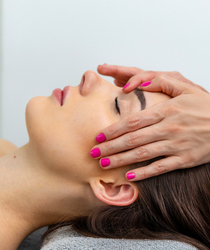
Myofascial relaxation in water is an innovative method of working on the body's soft tissues aimed at relaxation. It affects the nervous system's relaxation and reduces stress. It can serve as a continuation or complement to Structural Bodywork.
The massage is performed in a brine pool. The patient remains in the water throughout the session, equipped with weights supporting gravity on the legs and arms. The therapist performs sequences of stretching, gentle mobilizations, and work on the muscle fascia on the water surface.
Modern Methods of Diagnosis and Therapy of Soft Tissues
Diagnosis of disorders within the fascia and muscles.
KMI Structural Integration
One of the most commonly used treatment methods at the Villa Park MED&SPA Structural Rehabilitation Clinic. A set of comprehensive therapeutic treatments aimed at long-term reduction of numerous musculoskeletal complaints.
The main assumption of the KMI (Kinesis Myofascial Integration) method is the concept of anatomical trains created by the American structural integration therapist Thomas Myers. According to KMI principles, all muscles in the human body form one connected tissue, so a change or tension in one place can result in problems somewhere else.
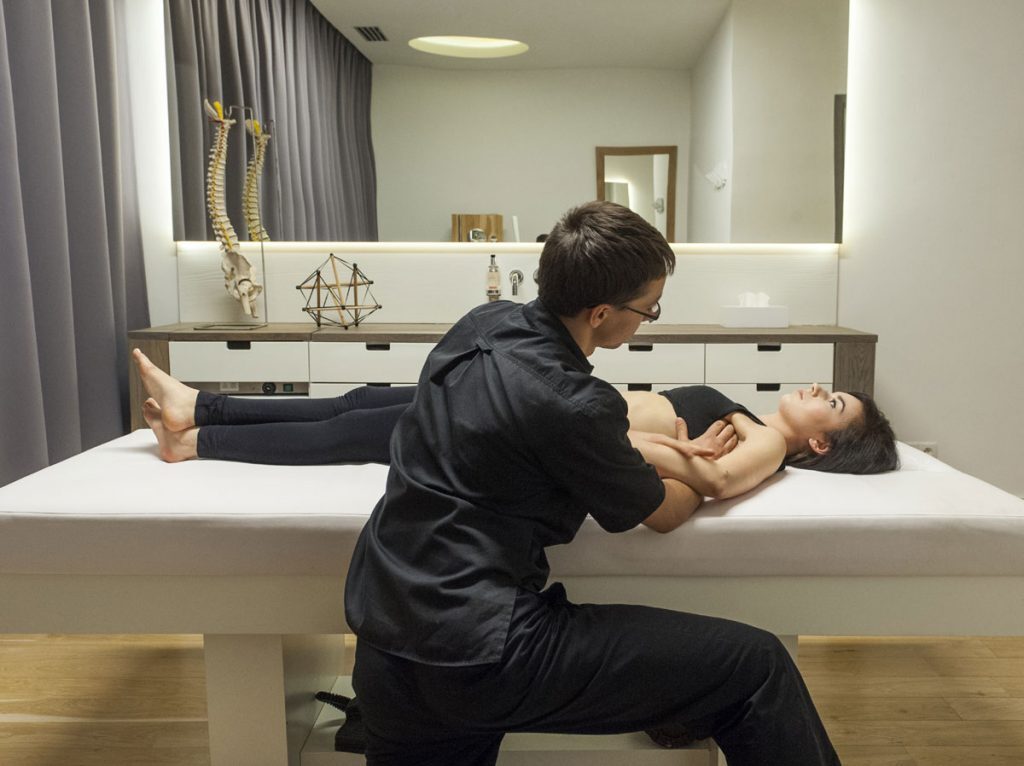
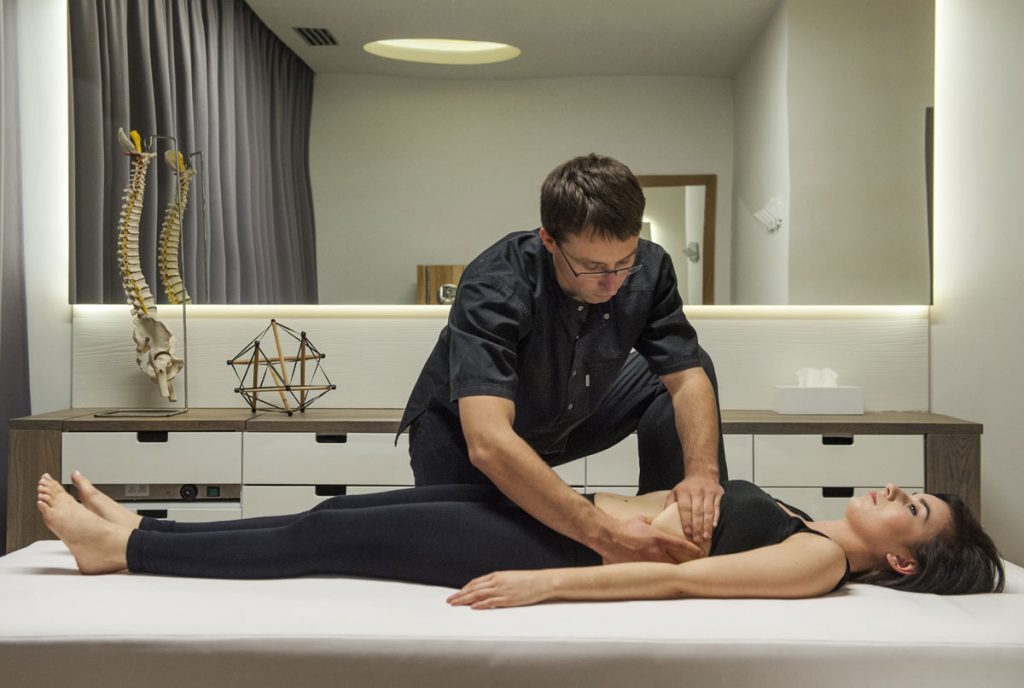
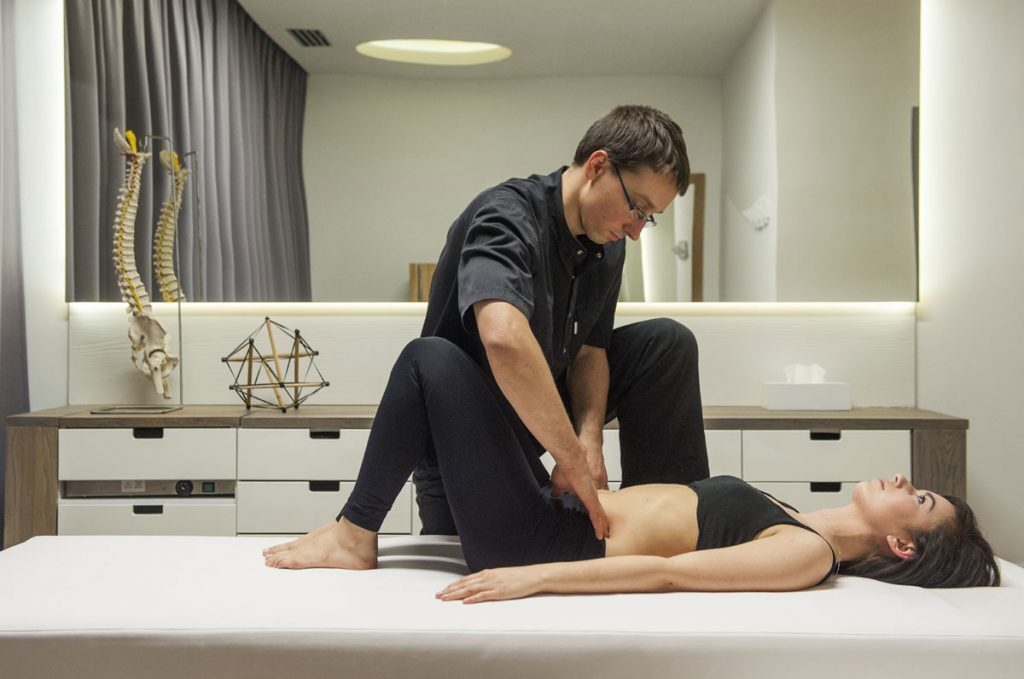
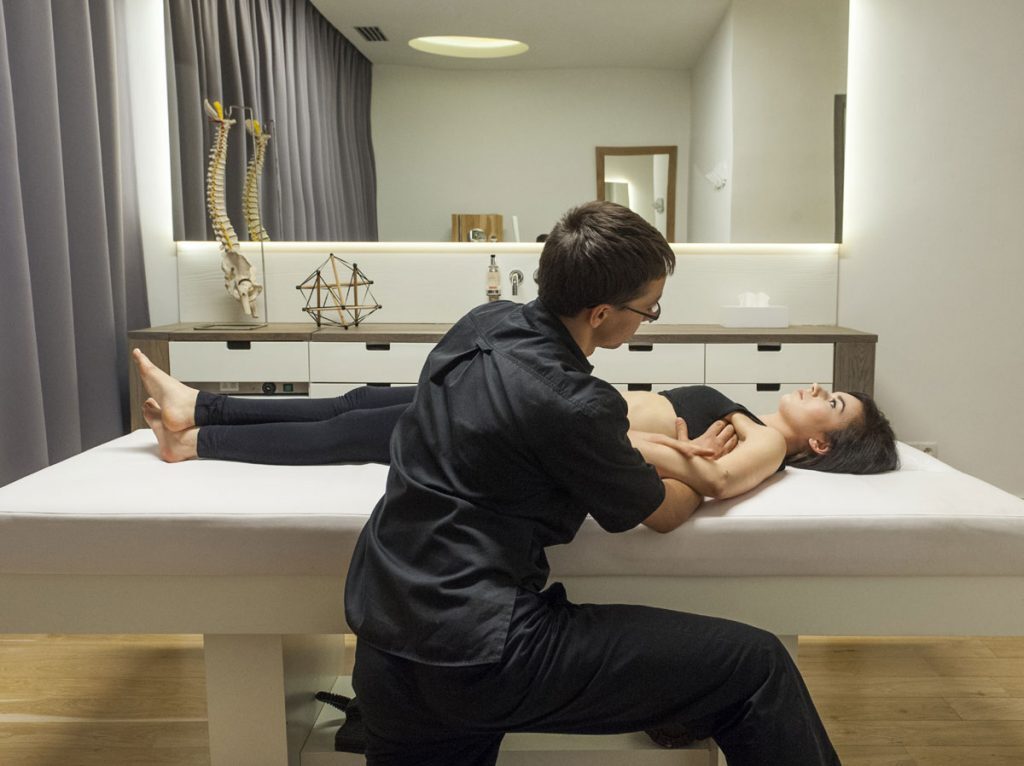
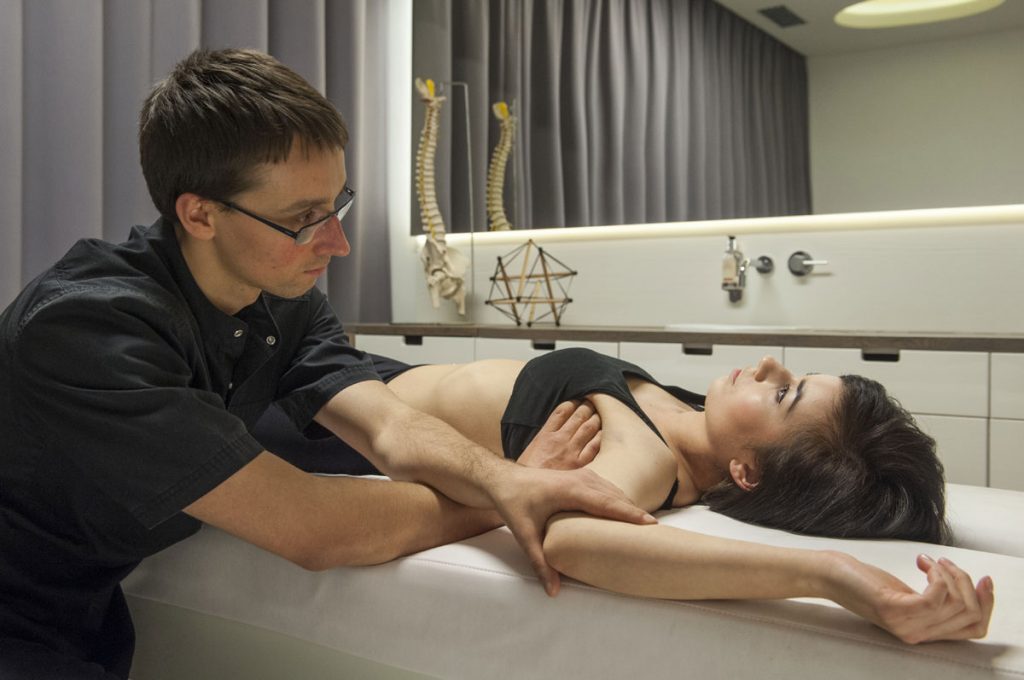
During a KMI session, the therapist actively influences the structural alignment of individual elements of our body, making small adjustments aimed at improving its overall functioning.
As a result, the body gradually "forgets" bad habits and regains its original balance. A key element of the KMI treatment is a detailed diagnosis based on an interview as well as postural and functional analysis of the entire body.
The information obtained allows the therapist to identify the primary cause of the problem, often located far from the pain location, and apply precise and effective techniques.
The treatment is primarily indicated for people with pain and movement restrictions in the spine and joints, muscle pains, headaches, posture defects, as well as post-traumatic conditions.
According to KMI principles, all muscles in the human body form one connected tissue, so a change or tension in one place can result in problems somewhere else. During a KMI session, the therapist actively influences the structural alignment of individual elements of our body, making small adjustments aimed at improving its overall functioning. As a result, the body gradually "forgets" bad habits and regains its original balance.
A key element of the KMI method is a detailed diagnosis based on an interview as well as postural and functional analysis of the entire body. The information obtained allows the therapist to identify the primary cause of the problem, often located far from the pain location, and apply precise and effective techniques. The treatment is primarily indicated for people with pain and movement restrictions in the spine and joints, muscle pains, headaches, posture defects, as well as post-traumatic conditions.
Watch video
At the Villa Park Clinic, KMI method treatments are conducted by Wojciech Cackowski – the first certified KMI therapist and teacher of the Anatomy Trains concept in Poland, trained by Thomas Myers himself. See how Wojciech Cackowski talks about the method.